Barianza integrates 8 operating companies and has advanced negotiations that would add around 2,700 additional machines
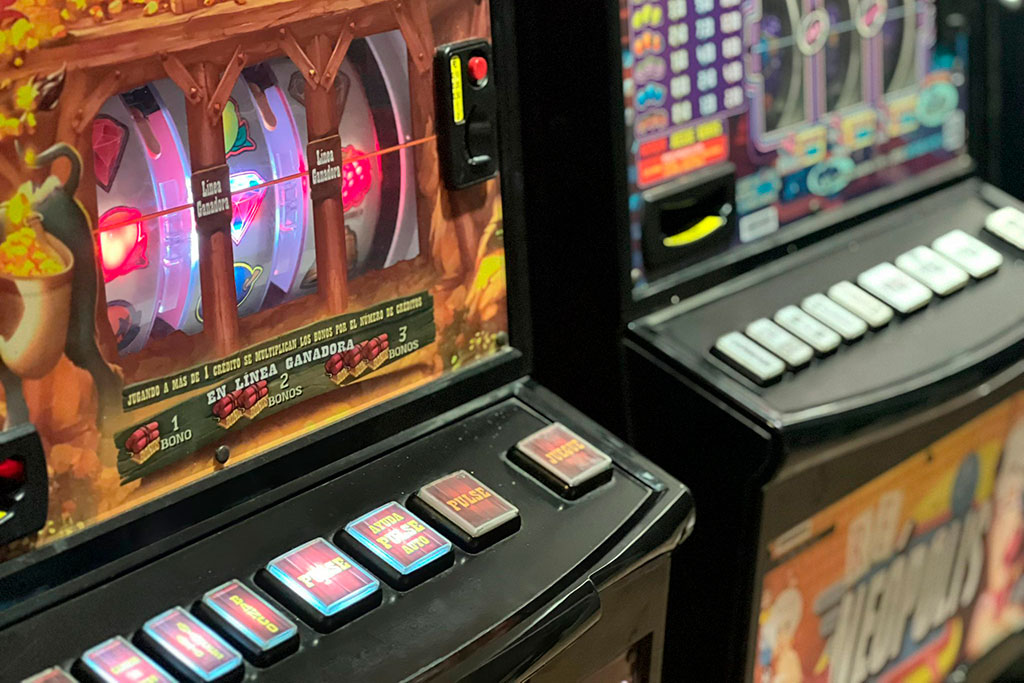
Barianza is a gaming machine operation platform in bars, initially focused on the Spanish and Italian markets. It currently manages over 1,100 machines. We speak exclusively with Barianza's two partners, Jacobo López Zafra and Guy Berchon de Fontaine Goubert.
How was Barianza founded and who makes it up?
BARIANZA was founded in 2024 based on a clear reading of the gaming sector in Spain: a market with enormous economic and social weight, yet extremely fragmented, poorly digitalised, and with little generational succession in many operational structures. BARIANZA thus defines itself as the consolidation platform for amusement machine operators in bars.
The project emerged by combining industrial experience in the gaming sector with technological and financial capability, with the aim of creating a modern platform capable of integrating traditional operators under a common, professional and efficient model.
BARIANZA is made up of a management team with over 30 years of gaming experience and an industrial profile, supported by specialists in technology, data and company integration. This is not an opportunistic financial project, but a long-term industrial initiative.
What is your main objective?
BARIANZA's main objective is to transform the operation of amusement machines in the hospitality sector into a modern, traceable and professional industry, preserving its essence as a leisure complement while equipping it with tools from advanced sectors.
This involves consolidating operators, improving efficiency, applying technology and data, increasing profitability and offering greater transparency to both venue owners and regulators. In short, building a solid and sustainable industrial leader in a sector that needs one.
In terms of target markets, we are initially focused on Spain and Italy.
How many operations are currently underway?
BARIANZA has currently integrated 8 operating companies, with a presence in five autonomous communities, managing over 1,100 machines, combined revenue of close to €24 million and EBITDA exceeding €7 million.
In addition, there is a very active pipeline, with more than a dozen operations in advanced negotiations that would incorporate around 2,750 additional machines, alongside a further relevant pipeline that confirms the project's strong consolidation momentum.
The importance of technology: How important is your GRAZIELLA platform to your business model?
GRAZIELLA is not a complement — it is the core of BARIANZA's model. Giving the platform a name is not a branding exercise, but a way of making clear that technology is a strategic asset, on the same level as the machine fleet or hospitality operations.
GRAZIELLA is the platform that monitors all machines, digitalises processes and converts daily operations into actionable data. Thanks to it, BARIANZA moves from a traditional model — based on reaction and experience — to a preventive and increasingly predictive model, where incidents are anticipated, performance per machine is optimised, and service to venue owners is improved.
Its importance is absolute, as it enables: real-time monitoring and control, clear and traceable settlements, better product selection per venue, optimisation of maintenance and technical resources, and decisions based on data rather than intuition.
In a historically underdigitalised sector, GRAZIELLA is the tool that makes scalability, operator integration and transparency possible — three essential pillars for building a modern operator. Without this platform, the BARIANZA project would simply not be viable in the terms in which it has been conceived.
In short, BARIANZA is not a traditional operator that uses technology: it is a technology platform that operates gaming assets — and GRAZIELLA is the heart of that proposition.
There is talk of a certain "crisis" in the hospitality gaming sector. Why have you focused on this segment?
Rather than a crisis, we believe what exists is a transition in the hospitality model. It is true that new venue formats are emerging where the type-B machine does not fit, but in other new formats it could well be successful. In any case, traditional hospitality still carries enormous weight in Spain and amusement machines continue to be a relevant source of profitability for thousands of bars. In fact, current data contradicts the claim about declining revenue — at this moment, the opposite is true.
That is where BARIANZA sees the opportunity: making a mature business more efficient and profitable by optimising every machine, every venue and every operation. Through real-time monitoring, better product selection and professionalised management, structural decline in some environments can be offset by higher productivity per machine.
Do you believe the current business model between the operator and the bar owner is adequate, or is a different business structure required?
The classic operator–bar model has worked for decades, but today it needs to evolve. The lack of data, traceability and real-time control generates inefficiencies and, at times, mistrust.
BARIANZA proposes a more transparent relationship, based on objective information, clear settlements and joint performance optimisation. The aim is not to change the essence of the agreement, but to professionalise and modernise it, aligning long-term interests.
Is BARIANZA the solution for operators that lack generational succession?
For many family-run operators, yes. The sector has an evident problem of generational succession and the capacity to invest in technology, regulatory compliance and professionalisation.
BARIANZA offers an orderly exit with continuity, integrating these businesses into a larger structure that preserves employment, improves operational conditions and ensures the future viability of the machine fleet. The aim is not to dismantle, but to provide continuity and growth to projects that would otherwise tend to disappear.
What investment do you project for 2026 and what machine fleet do you expect to manage?
Looking ahead to 2026, BARIANZA's objective is to double its size in terms of machine fleet, revenue and EBITDA. This implies a very significant investment, both in acquisitions and in technology, integration and operational improvement.
The company aspires to establish itself among the leading operators in Spain, with a significantly larger machine fleet and a structure ready to scale, including entry into new European markets starting with Italy.
What message would BARIANZA send to those operators considering the possibility of partnering with a technology partner to grow?
The message is clear: technology is no longer an option — it is a condition for remaining competitive. The hospitality gaming sector has changed and will continue to do so. More demanding regulation, tighter margins, and changes in hospitality and consumer habits demand a different way of operating.
Partnering with a technology partner does not mean losing identity or control, but gaining tools: reliable data, real-time monitoring, operational efficiency and the ability to anticipate. Technology allows you to extract more value from what you already have, optimise every machine and every venue, and make decisions based on objective information rather than intuition.
At BARIANZA, we see these partnerships as shared industrial projects, where the operator contributes ground-level knowledge and the technology partner brings structure, systems and scale. The goal is not to grow for growth's sake, but to make the business more profitable, more transparent and more viable in the long term.
The operator who integrates technology today will be better prepared for tomorrow. Those who do not will find it increasingly difficult to compete in an environment that no longer accommodates purely traditional models.